Pax Silica in the Philippines: Opportunities, Risks, and Growing Debate Over a High-Tech Mega Project
A major US-led initiative known as Pax Silica has recently placed the Philippines at the center of a global conversation on artificial intelligence, semiconductor manufacturing, and critical mineral...

A major US-led initiative known as Pax Silica has recently placed the Philippines at the center of a global conversation on artificial intelligence, semiconductor manufacturing, and critical mineral supply chains.
The project, which includes a planned industrial and technology hub in New Clark City, Tarlac, is being promoted as a gateway for the Philippines to participate in the global AI economy. However, it has also triggered debate over environmental impact, sovereignty, land use, and long-term economic benefits.
What is Pax Silica?
Pax Silica is a multinational economic and technology alliance launched in 2025, aimed at securing global supply chains for:
Semiconductors and chip manufacturing
Artificial intelligence infrastructure
Critical minerals (such as nickel, copper, and cobalt)
Advanced manufacturing systems
The Philippines joined the initiative in 2026, becoming one of several partner countries participating in the framework.
At the center of the Philippine involvement is a proposed 1,600-hectare to 1,620-hectare “AI and advanced manufacturing hub” inside New Clark City. The site is envisioned to host semiconductor assembly, testing, packaging, and AI-related infrastructure.
The Potential Upside: Economic and Technological Growth
Supporters of the initiative highlight several potential benefits for the Philippines:
1. Foreign Investment and Job Creation
Estimates suggest the project could attract billions of dollars in investments, with expectations of new employment opportunities in:
Semiconductor manufacturing
AI development support services
Logistics and industrial operations
Engineering and technical roles
2. Moving Up the Value Chain
Currently, the Philippines is often positioned in lower-value segments of global electronics manufacturing such as assembly and testing.
Pax Silica is being framed as an opportunity to transition toward:
Higher-value chip production
Advanced manufacturing processes
Greater participation in global tech supply chains
3. Regional Industrial Development
The project is also linked to broader infrastructure plans like the Luzon Economic Corridor, which aims to connect major industrial zones and improve logistics across Luzon.
4. Technology Ecosystem Growth
If implemented successfully, the hub could create a localized ecosystem involving:
Tech startups
Supplier industries
Research and development partnerships
Global manufacturing anchors
The Concerns: Environmental, Social, and Sovereignty Issues
Despite its economic promise, Pax Silica has drawn strong opposition from environmental groups, farmers, and some policy analysts.
1. Water and Energy Demand
One of the biggest concerns is resource consumption.
AI facilities and semiconductor plants require:
Massive electricity supply for 24/7 operations
Large volumes of water for cooling systems
Reports indicate that similar facilities abroad can consume millions of liters of water daily, raising concerns about sustainability in already stressed areas.
Critics argue that this could place pressure on local water systems such as watersheds around Clark and nearby communities.
2. Land Use and Displacement Risks
Advocacy groups warn that the project could affect:
Agricultural land
Farming communities
Potential indigenous land claims
Some estimates cited by critics suggest possible displacement of thousands of residents, although government agencies dispute these figures.
3. Environmental Impact of Mining Expansion
Since the initiative depends on critical minerals, concerns have been raised that it could accelerate mining activity in provinces such as:
Zambales
Palawan
Nueva Vizcaya
Environmental groups warn this may increase risks of deforestation, water contamination, and long-term ecological damage.
4. Sovereignty and Foreign Control Concerns
Some analysts and political groups have questioned whether the project could:
Increase foreign control over strategic industries
Create dependency on foreign capital and technology
Limit local participation in high-value segments
These concerns have fueled broader debates about economic sovereignty and national interest.
5. Transparency and Policy Clarity
Another recurring issue is the lack of publicly available detailed frameworks regarding:
Long-term economic projections
Environmental safeguards
Water and power sourcing plans
Legal and regulatory structure
Government Position
The Philippine government has consistently defended the project, stating that:
Environmental regulations will be strictly followed
Water supply will not compromise surrounding communities
Renewable energy and sustainable systems will be prioritized
The project will generate long-term economic benefits
Officials also emphasize that the initiative is part of a broader strategy to strengthen the country’s role in global technology supply chains.
Conclusion: A High-Stakes Development
Pax Silica represents one of the Philippines’ most ambitious attempts to integrate into the global AI and semiconductor economy.
For supporters, it is a generational opportunity to attract investment, generate jobs, and elevate the country’s industrial capacity.
For critics, it is a high-risk development that could strain resources, reshape land use, and deepen foreign dependency.
As discussions continue, the key challenge will be balancing economic growth with environmental protection, social equity, and long-term national interest.
The outcome of this debate will likely shape not only New Clark City—but also the future direction of Philippine industrial policy.
Related reading
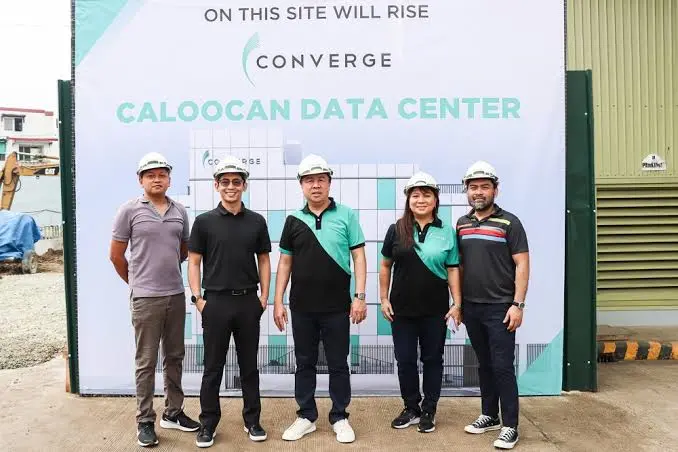
Expanding the Country’s Data Center Capacity
Converge ICT Solutions Inc. has officially launched a ₱5-billion data center investment project, marking a significant expansion of the company’s digital infrastructure footprint in the...