Filipino Developers Divided Over Bryl Lim’s “Copycut Apps” Commentary
A recent discussion initiated by developer and AI engineer Bryl Lim has sparked a split reaction within the Filipino indie developer community, reigniting debates about originality, competition, and...
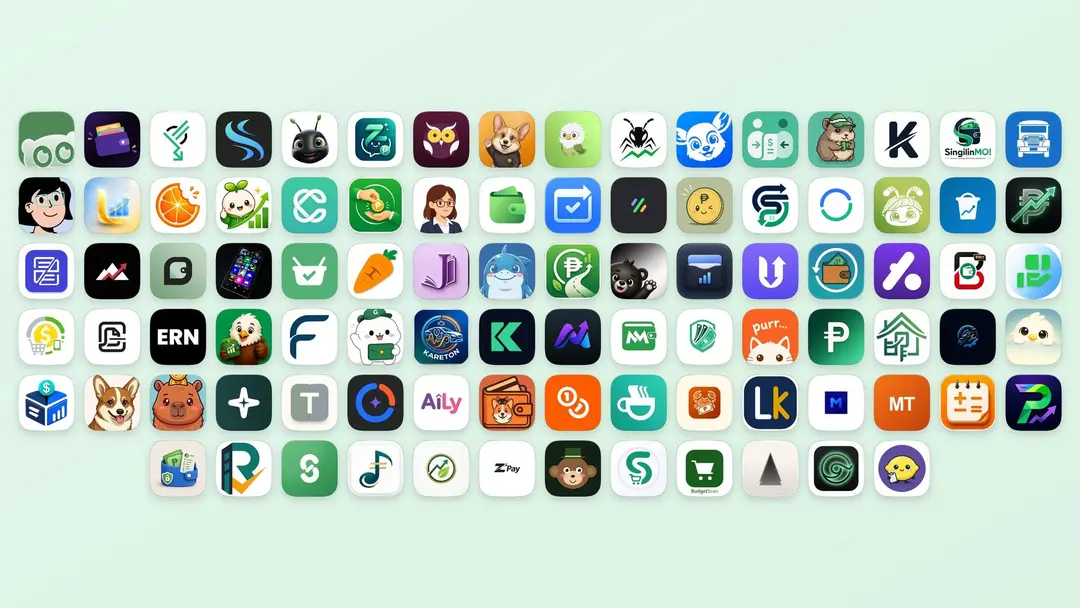
A recent discussion initiated by developer and AI engineer Bryl Lim has sparked a split reaction within the Filipino indie developer community, reigniting debates about originality, competition, and imitation in software development.
The conversation centers around what Lim describes as “copycut apps”—applications that closely replicate existing products with minimal differentiation.
While some developers agree with his concerns, others argue that replication and iteration are natural parts of modern software development.
The Original Concern: Copycut Apps
In his commentary, Bryl Lim raised concerns about the increasing number of apps that appear to replicate existing ideas with only minor adjustments in design, branding, or features.
According to his view, the rise of AI-assisted development and low-code tools has made it significantly easier to build and ship applications quickly—sometimes at the cost of originality.
This has led to concerns that the ecosystem may be shifting toward rapid cloning rather than meaningful innovation.
A Community Split in Reaction
The post quickly gained attention across Filipino developer circles, with reactions falling into two clear camps.
1. Supporters of the “Originality First” View
One group agrees with Lim’s position, arguing that:
Developers should prioritize originality over imitation
Copying successful apps reduces innovation in the ecosystem
AI tools make it too easy to replicate ideas without deep understanding
The community should encourage “building competitors, not copies”
For this group, the concern is not competition itself, but the lack of meaningful differentiation in execution.
2. Critics of the “Copycut” Framing
On the other hand, several developers disagree with the framing of the issue.
Their counterpoints include:
Most software products are iterative by nature
Similar features across apps are unavoidable in shared categories
Execution, branding, and user experience matter more than novelty
Competition—even in similar ideas—drives product improvement
From this perspective, labeling apps as “copies” may oversimplify how software evolves.
The Broader Context: AI and Faster Development
The debate is unfolding at a time when AI tools, templates, and frameworks are dramatically lowering the barrier to building software.
Developers can now:
Generate full application scaffolds in minutes
Clone UI structures using AI assistance
Deploy MVPs faster than traditional development cycles
This shift has created a tension between speed of creation and depth of originality.
Where the Discussion Gets Sensitive
Part of the controversy stems from how quickly the discussion escalated beyond technical arguments.
Some participants noted that conversations around copying often turn personal, shifting toward:
Developer credibility
Skill level comparisons
Use of AI tools in coding
Intent behind building similar apps
Bryl Lim himself later emphasized in his writings that the goal of the discussion is not to attack developers, but to encourage higher standards for originality and product thinking.
Industry Perspective: Not a New Problem
Experts point out that this is not a new issue in software development.
Across global app ecosystems:
Popular apps are frequently replicated
Categories like finance, fitness, and productivity are highly saturated
Differentiation often comes from execution rather than idea originality
However, what makes the current situation different is the speed and scale enabled by AI tools, which accelerates both innovation and imitation.
Conclusion: A Healthy but Unresolved Debate
The discussion sparked by Bryl Lim highlights an ongoing tension in the Filipino developer ecosystem:
Should success be measured by how fast an idea is shipped—or how uniquely it is executed?
While there is no clear consensus, the debate itself reflects a maturing indie developer community that is increasingly aware of issues surrounding originality, competition, and product ethics.
As the ecosystem grows, this conversation is likely to continue shaping how Filipino developers approach building and launching new applications.
Related reading
Even Senior Engineers Don’t Know Everything (And That’s Normal)
I used to think developers at big companies like AWS, Meta, or Google had it all figured out.Like they just open a file and instantly know what to build. No Googling. No confusion. No “wait, why is...
LLM-Jacking: How Leaked AWS Credentials Are Triggering $40K – $80K AI Billing Attacks
It starts quietly.No alerts. No warnings. No obvious breach.Then suddenly—an email from AWS:“Your current bill has exceeded $35,000.”For many developers and startups, this isn’t a...
Platform Seeks to Boost Visibility of Filipino-Made Apps
A newly launched platform is aiming to strengthen the presence of Filipino-developed applications by providing a dedicated space for discovery, promotion, and community engagement.As the Philippine...